
Educon.
Education in Construction - Carpentry & Joinery


101.1:
State the Importance of Health and Safety in the construction Industry.


01: Session Plans.

5min Session Plan.
What it is:
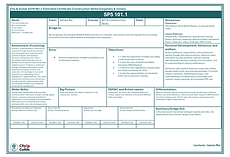
A 5‑Minute Session Plan is a rapid, high‑level teaching outline that captures the key aims, activities, timings, and resources for a single lesson in a concise, at‑a‑glance format.
Why we use it:
We use it because it provides a quick, efficient planning tool that keeps lessons focused, structured, and aligned to learning outcomes without requiring lengthy documentation.
.docx


Full Session Plan.

What it is:
A Full Session Plan is a detailed, structured lesson blueprint that sets out the learning outcomes, activities, timings, resources, differentiation, assessment methods, and health & safety considerations for a complete teaching session.
Why we use it:
We use it because it provides a comprehensive, curriculum‑aligned framework that ensures lessons are consistent, well‑sequenced, inclusive, and evidence‑ready for quality assurance and inspection.
.docx


02: Presentations.
Basic Presentation


.pptx

What it is:
A Basic Presentation is a clean, editable slide deck containing only core structure and text, with no animations, transitions, or media, giving lecturers a blank but professionally formatted template to build from.
Why we use it:
We use it because it provides a flexible starting point that lecturers can easily adapt to their own teaching style, branding, and delivery needs without being constrained by pre‑built design elements.
Lecturer Led Presentation.


.pptx
What it is:
A Lecturer‑Led Presentation is a fully prepared slide deck containing all animations, transitions, media, and timing cues, designed for smooth, ready‑to‑deliver classroom teaching.
Why we use it:
We use it because it provides a polished, plug‑and‑play resource that saves lecturer time and ensures consistent, engaging delivery across sessions.

Student Led Workbook.
.pptx

What it is:
A Student‑Led Workbook is a structured, self‑guided learning pack that mirrors the lesson content and allows students to work through activities independently and it should be accessible via the digital learning platform.
Why we use it:
We use it because it keeps absent learners on track, ensuring they can complete essential work before the next lesson and maintain continuity using either the Lecturer‑Led or Zoom Presentation alongside the workbook.

Zoom Presentation.
.ppsx

What it is:
A Zoom Presentation is an interactive, voice‑over‑driven digital lesson that students can access independently to preview content before class or work through activities remotely.
Why we use it:
We use it because it provides a fully guided, accessible learning experience that supports both pre‑lesson study and absent learners completing their Student Workbook without falling behind.

03: Assessments.

Assessment Version B.

What it is:
Assessment Version A is a fixed set of 12 structured questions selected from the wider Question Bank to assess learner understanding of the session’s core knowledge.
Why we use it:
We use it because it provides a consistent, reliable assessment snapshot that checks progress, reinforces learning, and supports fair measurement across all students.
.docx

Assessment Version A.

Question Bank.

What it is:
Assessment Version B is a fixed set of 12 structured questions selected from the wider Question Bank to assess learner understanding of the session’s core knowledge.
Why we use it:
We use it because it provides a consistent, reliable assessment snapshot that checks progress, reinforces learning, and supports fair measurement across all students.
.docx


What it is:
A Question Bank is a curated collection of structured, curriculum‑aligned questions covering all core knowledge, skills, and safety principles taught across the unit.
Why we use it:
We use it because it provides a consistent, scalable source of assessment items that supports fair testing, varied question sets, and reliable measurement of learner progress.
.docx


04: Activity Sheets.

Wordsearch.


What it is:
A Wordsearch is a themed vocabulary puzzle where students locate key terms hidden within a grid of letters.
Why we use it:
We use it because it offers a fun, low‑stakes way to reinforce terminology, helping learners build confidence with essential keywords before moving into deeper theory or practical tasks.


Lecturer Only.
What it is:
This is the answer sheet to the activity sheet

Crossword.


What it is:
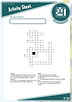
A Crossword is a structured vocabulary puzzle where students use given clues to fill in interconnected words related to the lesson’s key concepts.
Why we use it:
We use it because it provides a challenging but engaging way to reinforce terminology and deepen understanding, helping learners connect definitions, spellings, and concepts through active problem‑solving.
Lecturer Only.
What it is:
This is the answer sheet to the activity sheet


Word Scramble.


What it is:
A Word Scramble is a vocabulary activity where students decode and rearrange mixed‑up letters to reveal key terms from the lesson.
Why we use it:
We use it because it provides a quick, engaging way to reinforce terminology, helping learners strengthen recall and spelling through active problem‑solving.

Lecturer Only.
What it is:
This is the answer sheet to the activity sheet


Word Match.


What it is:
A Word Match is an interactive activity where students pair key terms with their correct definitions, images, or concepts from the lesson.
Why we use it:
We use it because it provides a quick, effective way to reinforce understanding, helping learners connect terminology to meaning through active recall and association.

Lecturer Only.
What it is:
This is the answer sheet to the activity sheet

Activity sheets are highly effective for strengthening keyword recall, terminology fluency, and procedural memory, and this is well supported by cognitive‑science research. Studies on active recall show that repeatedly retrieving information—such as technical terms or definitions—significantly improves long‑term retention compared with passive study methods
Research on retrieval practice also demonstrates that structured recall activities help students retain and apply complex concepts more effectively over time
Because activity sheets prompt learners to revisit vocabulary, sequence steps, and apply terminology in context, they naturally create the repeated retrieval cycles that strengthen memory. Evidence further shows that immediate feedback during recall tasks improves accuracy and reinforces correct understanding, making terminology and skill sequences “stick” more reliably


05: Activities.

Activity 1.

What it is:
An Activity Pack is a collection of structured, classroom‑ready tasks or activities—ranging from scenarios, games and puzzles to applied exercises—that reinforce the key knowledge and skills taught in the session.
Why we use it:
We use it because it provides a varied, engaging set of activities that support recall, stretch learners of all abilities, and offer ready‑made tasks for independent work, group work, or cover lessons.
.pptx

Qualification Mapping Table for this Activity.

.docx
Activity 2.
What it is:
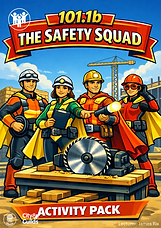
An Activity Pack is a collection of structured, classroom‑ready tasks or activities—ranging from scenarios, games and puzzles to applied exercises—that reinforce the key knowledge and skills taught in the session.
Why we use it:
We use it because it provides a varied, engaging set of activities that support recall, stretch learners of all abilities, and offer ready‑made tasks for independent work, group work, or cover lessons.
.pptx
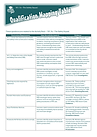
Qualification Mapping Table for this Activity.
.docx
Activity 3.

What it is:
An Activity Pack is a collection of structured, classroom‑ready tasks or activities—ranging from scenarios, games and puzzles to applied exercises—that reinforce the key knowledge and skills taught in the session.
Why we use it:
We use it because it provides a varied, engaging set of activities that support recall, stretch learners of all abilities, and offer ready‑made tasks for independent work, group work, or cover lessons.

.pptx
Qualification Mapping Table for this Activity.

.docx
Activity 4.

What it is:
An Activity Pack is a collection of structured, classroom‑ready tasks or activities—ranging from scenarios, games and puzzles to applied exercises—that reinforce the key knowledge and skills taught in the session.
Why we use it:
We use it because it provides a varied, engaging set of activities that support recall, stretch learners of all abilities, and offer ready‑made tasks for independent work, group work, or cover lessons.
.pptx
Qualification Mapping Table for this Activity.

.docx


06: Keywords.

Keywords.

What it is:
Keywords is a focused list of essential terms and phrases that students must understand and use confidently throughout the lesson and wider unit.
Why we use it:
We use it because it provides a clear vocabulary anchor, helping learners grasp core terminology early so they can access theory, follow instructions, and communicate effectively in practical tasks.
.pptx


07: Resources.

Resource Sheet.

What it is:
Keywords is a focused list of essential terms and phrases that students must understand and use confidently throughout the lesson and wider unit.
Why we use it:
We use it because it provides a clear vocabulary anchor, helping learners grasp core terminology early so they can access theory, follow instructions, and communicate effectively in practical tasks.
.pptx


08: Homework Packs.

Homework Pack 1 - Practice.
What it is:
Homework – Practice is a short, structured follow‑up task designed to reinforce the key knowledge and skills taught in the lesson through independent study.
Why we use it:
We use it because it provides a focused opportunity for learners to consolidate understanding, strengthen recall, and build confidence between sessions.
.pptx


Homework Pack 2 - Preparation.
What it is:
Homework – Preparation is a short, structured task designed to get students ready for the next lesson by introducing key ideas, vocabulary, or practical concepts ahead of time.
Why we use it:
We use it because it provides a smooth learning bridge between sessions, helping students arrive better prepared, more confident, and ready to engage with new content without losing momentum.
.pptx


Homework Pack 3 - Extension.
What it is:
Homework – Extension is an optional, higher‑level task designed to stretch learners beyond the core lesson content, encouraging deeper thinking, applied problem‑solving, or wider research.
Why we use it:
We use it because it provides a challenge pathway for confident or fast‑progressing students, helping them extend their understanding, explore real‑world applications, and build higher‑order skills without holding back the main group’s pacing.
.pptx


Homework Pack 4 - Research.
What it is:
Homework – Research is an independent investigation task where students explore a topic, material, process, or real‑world example linked to the lesson, gathering information that will support deeper understanding in future sessions.
Why we use it:
We use it because it encourages curiosity, independent learning, and wider contextual knowledge, helping students build stronger connections between classroom theory and real industry practice.
.pptx


09: Interactive Content.

H5P Wordsearch.
What it is:
An H5P Wordsearch is a digital, interactive version of the classic wordsearch puzzle, built using the H5P platform so students can complete it online through your Learning Digital Platform.
Why we use it:
We use it because it provides a quick, engaging, self‑marking activity that reinforces key terminology, supports independent learning, and works seamlessly for both in‑class use and remote access.
.rar

Link.
Embed Code.
Use to embed the digital activity to any website or Learning Platform like teams.
<iframe src="https://app.lumi.education/api/v1/run/yRTv3u/embed" width="1088" height="720" frameborder="0" allowfullscreen="allowfullscreen" allow="geolocation *; microphone *; camera *; midi *; encrypted-media *"></iframe><script src="https://app.Lumi.education/api/v1/h5p/core/js/h5p-resizer.js" charset="UTF-8"></script>
H5P Crossword.
What it is:
An H5P Crossword is a digital, interactive version of the classic crossword puzzle, built using the H5P platform so students can complete it online through your Learning Digital Platform.
Why we use it:
We use it because it provides a quick, engaging, self‑marking activity that reinforces key terminology, supports independent learning, and works seamlessly for both in‑class use and remote access.

.rar
Link.
Embed Code.
Use to embed the digital activity to any website or Learning Platform like teams.
<iframe src="https://app.lumi.education/api/v1/run/hhTINr/embed" width="1088" height="720" frameborder="0" allowfullscreen="allowfullscreen" allow="geolocation *; microphone *; camera *; midi *; encrypted-media *"></iframe><script src="https://app.Lumi.education/api/v1/h5p/core/js/h5p-resizer.js" charset="UTF-8"></script>
H5P Word Scramble.
What it is:
An H5P Word Scramble is a digital, interactive version of the classic word scramble puzzle, built using the H5P platform so students can complete it online through your Learning Digital Platform.
Why we use it:
We use it because it provides a quick, engaging, self‑marking activity that reinforces key terminology, supports independent learning, and works seamlessly for both in‑class use and remote access.

.rar
Link.
Embed Code.
Use to embed the digital activity to any website or Learning Platform like teams.
<iframe src="https://app.lumi.education/api/v1/run/MERsKL/embed" width="1088" height="720" frameborder="0" allowfullscreen="allowfullscreen" allow="geolocation *; microphone *; camera *; midi *; encrypted-media *"></iframe><script src="https://app.Lumi.education/api/v1/h5p/core/js/h5p-resizer.js" charset="UTF-8"></script>
H5P Word Match.
What it is:
An H5P Word Match is a digital, interactive version of the classic word match puzzle, built using the H5P platform so students can complete it online through your Learning Digital Platform.
Why we use it:
We use it because it provides a quick, engaging, self‑marking activity that reinforces key terminology, supports independent learning, and works seamlessly for both in‑class use and remote access.
.rar
Link.
Embed Code.
Use to embed the digital activity to any website or Learning Platform like teams.
<iframe src="https://app.lumi.education/api/v1/run/xZVF1H/embed" width="1088" height="720" frameborder="0" allowfullscreen="allowfullscreen" allow="geolocation *; microphone *; camera *; midi *; encrypted-media *"></iframe><script src="https://app.Lumi.education/api/v1/h5p/core/js/h5p-resizer.js" charset="UTF-8"></script>

10: Publications.

Textbooks.

What it is:
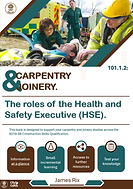
A Textbook is a structured, curriculum‑aligned reference book that presents the core theory, terminology, processes, and industry standards learners need across the unit. It acts as the stable “anchor resource” that underpins all lesson materials.
Why we use it:
We use it because it provides a clear, reliable source of foundational knowledge, supporting independent study, flipped learning, and consistent reinforcement of key concepts both in and out of the classroom.
.pptx

.pptx
Printable
.pptx
Printable
.pptx

.pptx
Printable
.pptx

.pptx
Printable
.pptx

Videos.
What it is:
Videos are short, structured visual learning assets that explain, demonstrate, or reinforce key concepts from the lesson. They can include demonstrations, walkthroughs, animations, safety explanations, or real‑world industry examples.
Why we use it:
We use videos because they provide a clear, accessible way to show processes, tools, and techniques, helping learners understand complex ideas quickly and supporting both classroom teaching and independent study.
Video 1.
Video 3.
Video 2.
Video 4.

Podcasts.
What it is:
A Podcast is an audio‑based learning resource that delivers theory, explanations, stories, or industry insights in a spoken format. Learners listen rather than read, making it ideal for reinforcing knowledge during travel, independent study, or revision.
Why we use it:
We use podcasts because they offer a flexible, accessible way to deepen understanding, allowing students to revisit key concepts, hear real‑world examples, and engage with content in a format that supports different learning preferences.
Podcast 1.
Podcast 3.
Podcast 2.
Podcast 4.

11: 3D Models.


3D Models.
What it is:
A 3D Model is a digital, three‑dimensional representation of an object, component, or learning asset that can be viewed, rotated, and examined from any angle. It provides a realistic visual reference that supports practical understanding of shapes, structures, assemblies, and spatial relationships.
Why we use it:
We use 3D models because they offer a clear, accurate, and highly interactive way for learners to explore materials and components, especially when physical examples are unavailable. They strengthen visualisation skills, support practical tasks, and help students understand how real‑world objects are constructed and function.

.rar
Files:
3D Token Model.stl
Spinner.stl
Spinner75percent.stl
Spinner75percent-cap
Spinner Model.png
Token.png
Spinner.png
Concept Art.png


3D Models.
.rar

Files:
Residential Board.stl
Residential Board.png
Commercial Board.stl
Commercial Board.png
Industrial Board.stl
Industrial Board.png
Civil Engineering Board.stl
Civil Engineering Board.png
What it is:
A 3D Model is a digital, three‑dimensional representation of an object, component, or learning asset that can be viewed, rotated, and examined from any angle. It provides a realistic visual reference that supports practical understanding of shapes, structures, assemblies, and spatial relationships.
Why we use it:
We use 3D models because they offer a clear, accurate, and highly interactive way for learners to explore materials and components, especially when physical examples are unavailable. They strengthen visualisation skills, support practical tasks, and help students understand how real‑world objects are constructed and function.


